Frost on the Whistle: Five Short Winter Sessions That Keep a Cotswold Gundog Sharp
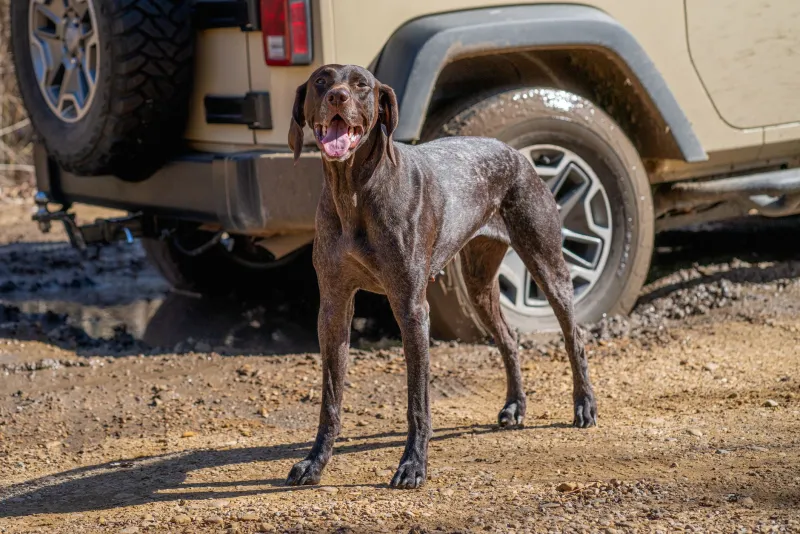
Winter in the Cotswolds has a habit of arriving all at once. One week you are training in soft autumn drizzle, the next the lane to the field is rutted ice and the dog is wearing half the hedgerow on his chest. It is tempting to write off December and January as maintenance months — a bit of road walking, maybe the odd retrieve in the yard — but a working gundog does better with short, purposeful sessions. The aim is not to build peak fitness in the frost. It is to keep the basics polished, protect joints and paws, and have a dog that still switches on when the whistle goes.
These five drills suit a Cotswold shoot, a muddy training field or a quiet farm track when daylight is in short supply. Keep sessions to 15–20 minutes, pick your ground carefully, and stop while the dog is still keen.
1. Warm up before the work starts
Cold muscles and a cold morning are a poor combination. Before any dummy work, give the dog five minutes of brisk walking on a lead, then a few simple heel patterns and sits in the yard or on a quiet track. If you are on a shoot day, that might just mean a longer walk from the motor to the peg; at home, it is a lap of the field and a couple of turns on the lead.
Use this time to read the ground as well as the dog. Frozen plough is hard on elbows and shoulders, and iron-hard gateways can be slippery. A short warm-up also gives you a chance to check paws for grit, ice balls or a bit of thorn picked up on the way in. A cold dog is not a flexible dog, and a stiff dog is more likely to pull something than learn anything useful.
2. Steadiness beside cold-game scent
Winter is a good time to work on steadiness because scent hangs differently in cold, damp air. Set up a simple scent station: a cold pheasant wing or a clean scent rag placed near a hedgerow, well away from the dog’s normal run. Walk the dog at heel past it, upwind if you can, and ask for a sit and a stop whistle before he has a chance to bury his nose in it.
Start on the lead and at a distance. If the dog lunges or whines, increase the distance and reduce the strength of the scent. Do not tease him by waving game under his nose; the point is not to make him hate the smell of birds. The point is to teach him that scent is information, not a command to break. Three or four clean repetitions are worth more than twenty messy ones.
3. Controlled retrieves on muddy ground
Mud holds scent and makes footing tricky for both of you. That makes it ideal for short, controlled retrieves, but not for long blinds or steep banks. Find a lane, stubble field or firmer grass strip and set a marked retrieve of 20–30 yards. Send the dog, let him pick the dummy cleanly, and ask for a sit or a steady delivery on the way back.
Keep the work close and the standards high. A muddy retrieve is a test of control, not distance. If the ground is deep enough to pull a boot off, it is deep enough to tweak a shoulder, so stay on the firmer edges. Use a dummy rather than cold game if the dog is wet and the wind is cutting. Finish with a simple memory retrieve and a calm walk back to the vehicle.
4. Scent games that tire the brain, not the body
When the ground is too hard for roadwork and the weather is too raw for long drills, scent work earns its keep. Hide a dummy in a tussock, behind a gatepost or along the base of a hedge, then bring the dog in on a short line and give him a clear ‘find’ cue. Keep the hides easy at first and let him succeed.
Three to five finds are plenty. This is not about creating a field-trial champion in the dark; it is about giving the dog a job that uses his nose and his brain without pounding his joints. Older dogs, young dogs and dogs coming back from a knock all benefit. It also reminds you how much of gundog work happens before the dog ever sees a bird.
5. Welfare checks: paws, coat, joints and the journey home
Every winter session should end with a proper check. Look at the paws for ice balls, road salt, small cuts and packed mud. Dry the coat, especially around the chest and ears, and get the dog into a warm, ventilated vehicle rather than a cold box. A wet dog left standing in a cold trailer is a recipe for stiffness.
Keep an eye on joints, particularly in older dogs or those with a long season behind them. If the dog is stiff the next morning, reduce the work and speak to your vet rather than pushing on. Watch weight as well; a dog carrying extra condition will feel the mud more than a fit one. Winter training is not about heroics. It is about arriving at spring with a dog that is sound, steady and still glad to see the whistle.