The Bitch Behind the Brag: Reading a Working Dam Before You Read the Pedigree
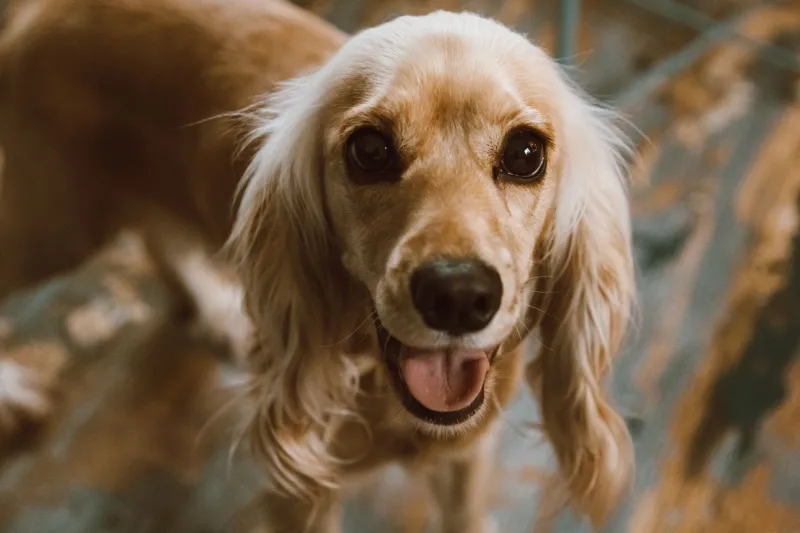
Most puppy enquiries start in the same place: the sire. Someone has seen him run in a trial, watched him pick-up on a big day, or heard his name repeated across a tailgate. He is the headline. He is also, in the practical arithmetic of a litter, only half the story. The other half is the bitch standing quietly in the yard, and her life before the mating is often the better guide to what you are actually buying.
A working gundog litter does not begin on the day the stud dog is chosen. It begins with the dam's first season, her first day in the field, her health checks, her recovery between litters and the sort of household she lives in. For Cotswold buyers especially, where a puppy may end up in a stone barn, a farm kitchen or a beaters' wagon within a fortnight, those details matter more than a long pedigree full of names nobody can picture.
The Name at the Top of the Page
The sire gets top billing because he is visible. A stud dog can be seen at stud, filmed, photographed and talked about. The dam is often at home, doing the less glamorous work: raising a litter, coming back into condition, waiting for the next season. That makes her easier to overlook. It also makes her the part of the pedigree many buyers understand least.
Ask yourself what you actually know about the bitch. Not her kennel name, not the colour of the rosettes on the breeder's wall, but what she does. Has she worked a full season? Does she pick-up, beat, or run in trials? Is she steady around livestock? Can she sit in a hide or a vehicle without turning herself inside out? A dam with a real working life gives you more than a title. She gives you a reference point for stamina, trainability and temperament under pressure.
What Her Working Record Actually Says
A working record is not just a list of awards. For a prospective owner, it is a set of clues. A bitch that has done repeated days on a Cotswold shoot has met mud, flint, brambles, cold wind, crowds and game. She has learned to switch off between drives and switch on when asked. That rhythm is worth more than a single spectacular photograph.
Ask how she works, not simply whether she works. Is she steady or busy? Does she quarter naturally or need constant handling? Is she soft with game and firm with cover? How does she behave when the day goes wrong: a runner, a lost bird, a sudden squall? Breeders often talk about the sire's style; the dam's day-to-day manner is just as revealing.
If she has been trialled, ask what happened after the trial. A dog can peak for a weekend and then be rested for a month. A dog that goes back to picking-up on a wet Tuesday is a different proposition. Neither is wrong, but the buyer should know which sort of bitch is behind the litter.
Seasons, Rest and the Honest Diary
A good breeder can tell you the story of a bitch's seasons without reaching for a diary. When did she first come into season? How often? Was she worked through the shooting season, or rested around her cycles? How long did she have between litters? Was she back in full condition before the next mating, or was she bred again because the timing suited the stud dog?
The answers tell you something about management. A working bitch should not be a production line. Pregnancy, whelping and lactation take condition off a dog, and a sensible breeder gives her time to recover. Ask how many litters she has had, at what age she started, and whether any were delivered by caesarean. There is no single right number, but evasiveness is a warning. So is a bitch who looks thin, flat-coated or worn out when you visit.
Season-to-season history also matters for temperament. A bitch that is miserable or sharp around her seasons may still be a fine worker, but the buyer should know. If the breeder says she is 'a bit funny' at that time, ask what that means in practice. Does she guard food? Snap at other dogs? Refuse to load? These are not reasons to walk away automatically, but they are reasons to ask better questions.
Health Screening Without the Halo
Health testing is essential, but it is not a certificate of perfection. For gundogs, the usual conversation includes hip and elbow scoring, eye screening and any breed-specific DNA tests. The breeder should be able to show results, explain them plainly and tell you where they sit against breed averages. A low score is useful; a low score with no working life behind it is only part of the picture.
Be wary of paperwork used as a smoke screen. A thick folder of certificates does not tell you whether the dam is sound on rough ground, confident in water or steady around sheep. It does not tell you whether she recovers well after a litter. Health screening reduces risk; it does not replace judgement. Ask when the tests were done, whether they are current, and whether the breeder has repeated them at sensible intervals.
Temperament Is a Working Trait
Temperament is not a soft extra. In a gundog, it is the difference between a dog that can share a vehicle with three others and one that cannot. It is the difference between a steady peg dog and a dog that whines itself hoarse before the first drive. The dam's temperament gives you a strong hint, though not a guarantee.
Watch her around people, other dogs and stock. Is she curious but calm? Does she recover quickly from a telling-off? Can she settle? A bitch that is bouncing off the kennel walls may still produce sensible puppies, but you want to know how she is managed. A bitch that is shut away because she is difficult is a different matter. Ask why she is not out with the others.
The Rearing Questions Most Buyers Forget
By the time puppies are ready to leave, most buyers focus on the sire, the price and the colour of the collar. The rearing period is where the dam's influence continues after birth. Ask where the litter was raised. A whelping box in a quiet utility room is not better or worse than one in a busy barn, but the puppies should have met everyday noises, different surfaces and gentle visitors before they go.
Ask how the dam was fed, how the puppies were wormed, and what they have seen of the world. Have they heard gunshot at a sensible distance? Met livestock? Travelled in a car? Been handled by people other than the breeder? Good early socialisation is not a fancy programme; it is a series of small, sensible exposures. The dam's confidence during those weeks matters too. A nervous bitch can pass on nervous habits, but a calm one can show puppies that the world is not a threat.
Paperwork That Earns Its Keep
Pedigrees are useful. They show line breeding, family patterns and sometimes inherited problems. But a pedigree is a map, not a guarantee of destination. Read it alongside the dam's working record and health results. Ask about endorsements, contracts and what happens if the puppy does not make the grade. A reputable breeder will have clear answers and will not mind you asking twice.
In the end, the best question is simple: what has this bitch done, and how has she been kept? If the answer is detailed, honest and a little unglamorous, you are probably in the right yard. If the conversation keeps drifting back to the stud dog's trophy shelf, you may be paying for brag rather than breeding.