Toe by Toe: Looking After Working Feet When the Ground Bites Back

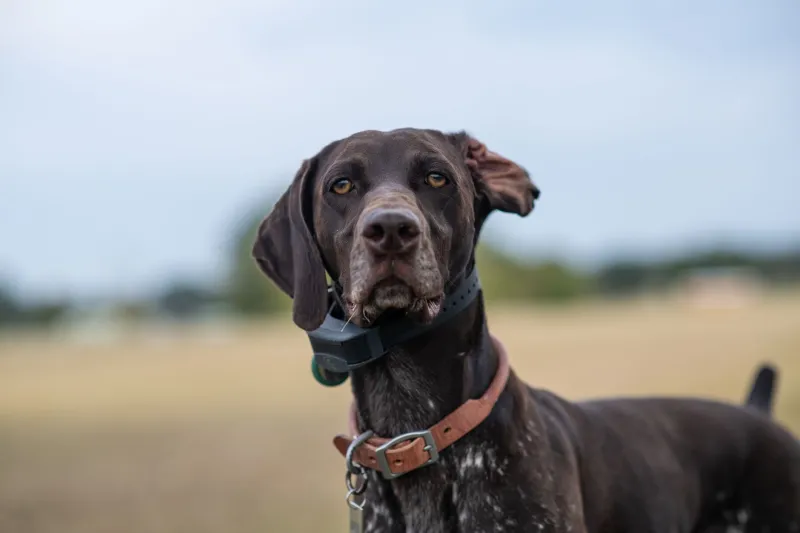
Photo by Photo by Magnus Jonasson on Unsplash on Unsplash
By late November, the Cotswold ground has usually made up its mind. It is either iron-hard with frost or slick with mud, and neither version is kind to a dog moving at speed. Flint works its way through the surface, tractor ruts freeze into ridges, and the lane edges get scattered with grit. The dog does the job anyway. That is the trouble.
Feet are often the last thing a handler checks. We look at ears after a drive, run a hand over the coat, make sure the dog is drinking. Paws get a glance at best. But feet are the contact point for everything a working gundog does, and a small nick can turn into a lost week if it is ignored. A sensible winter plan is not complicated. It just has to happen before the soreness does.
The ground does not need to look dramatic
Deep snow is the obvious villain, but most Cotswold foot trouble comes from less photogenic conditions. Frost heave on a stubble field. A frozen plough headland. A track used by sheep and tractors, with flint pushed up through the chalk. Even a short walk from the tailgate to the peg can put a dog on abrasive ground, and a dog that is keen will not shorten its stride to suit.
That is why prevention starts with the surfaces you choose, not just the ones you find on shoot day. If you have a young or newly working dog, build up gradually on rougher ground in the weeks before the season gets busy. Grass, stubble and firm tracks are useful. Tarmac has its place for lead walks, but too much of it too soon can wear pads rather than toughen them. The aim is steady conditioning, not a crash course.
Condition the pads before the season bites
Pad conditioning is a slow job. There is no honest shortcut. A dog that has spent summer on soft lawns will not have the same feet as one that has been walked regularly on mixed ground. Start with shorter sessions and build up. Check the paws afterwards and give them time to recover. If a dog is footsore after every walk, that is not toughening up; it is a warning.
Nails matter too. Long nails change the way a dog stands and moves, and that can make a sore paw more likely. Keep them sensible, not clipped to the quick in a rush. Hair between the pads is another small job worth doing. A tidy trim can reduce the ice balls and packed mud that make a dog skitter, but do not go so close that you irritate the skin. A blunt pair of scissors and good light are better than a clever idea in a dark kennel.
The two-minute check that earns its keep
After a driven day, make a paw check part of the tailgate routine. It does not need a clipboard. Lift each foot, look at the pad, the spaces between the toes, the nail beds and the webbing. Feel for heat or swelling. Look for flint chips, thorns, small splits and hair mats packed with grit. In freezing weather, check for ice balls between the toes as well.
If the feet are muddy, rinse them with clean, lukewarm water and dry them properly. A wet paw left in a cold crate is not a happy paw. Do not let the dog obsessively lick at a foot; that often makes the skin sorer and hides the original problem. If you find a small cut, clean it and keep an eye on it. If it is deep, dirty or the dog is lame, get advice rather than hoping it will settle.
The morning after is just as useful. Some soreness does not show until the dog has stiffened up overnight. A reluctance to go down steps, a lifted paw or a dog that keeps checking one foot is telling you something. Believe it.
Balm, boots and knowing when to stop
Balm can help on intact pads, especially in cold, drying conditions. Use a thin layer and choose a product made for dogs. Do not slap scented human hand cream on a working dog and do not put balm on an open wound. Boots have their place too. They can protect a healing paw or cope with a particularly abrasive track, but they are not a substitute for conditioning. Fit matters. A boot that rubs will create a worse problem than the one you were trying to solve, so practise at home before you rely on one in the field.
The best piece of kit is still rest. If a dog is limping, cut the day short. A missed drive is cheaper than a damaged pad that keeps the dog out for a fortnight. Persistent lameness, swelling or a deep cut needs a vet, not a bit of extra balm and a stiff upper lip.
A small routine with a long season behind it
A working gundog will put up with a lot before it complains. That stoicism is part of what makes it useful, but it is also why handlers have to be nosy about feet. A few minutes before the drive and a few minutes after it can catch the small problems while they are still small. Check the ground you are asking the dog to cross. Build up the pads before the season asks too much of them. Use boots and balm as tools, not excuses. And when the honest answer is rest, give the dog the rest.
Winter work is hard enough on the dog without adding preventable sore feet to the list. Look after the toes and the rest of the dog tends to keep going.