The November Once-Over: Giving a Working Gundog Its Mid-Season Service

Photo: working gundog black labrador resting on tailgate muddy Cotswold field November, via digileaders.com
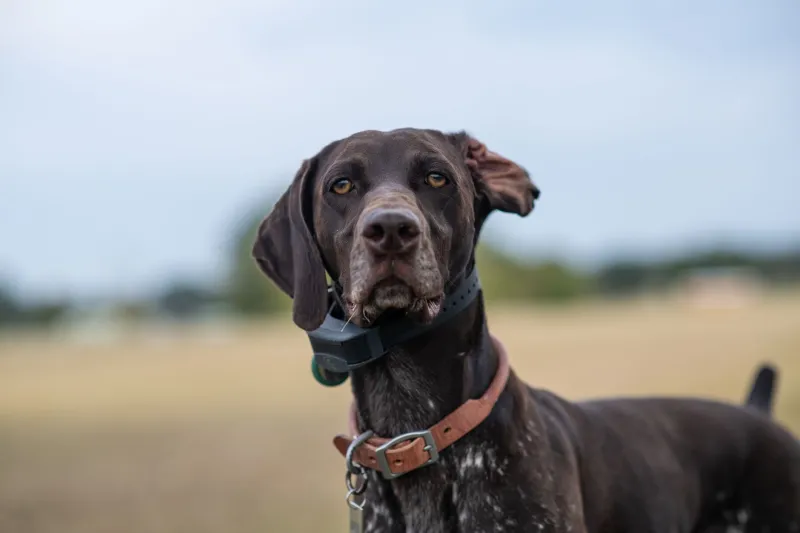
By the second week of November, a working gundog has usually told you a few things without saying a word. It has told you which gateways are muddy enough to suck a boot off, which cover crops are hard on the pads, and which bit of its shoulder rubs against the harness after a long morning. The trouble is that mid-season is exactly when we are least inclined to look properly. There is another day to get to, another flask to fill, another dog to load. The season has a momentum of its own.
A halfway-point check is not a dramatic intervention. It is a quiet twenty minutes with the dog on the tailgate or in the kitchen, going over the bits that take the load. It is not a substitute for your vet, and it should never be used to talk yourself out of calling one. Think of it as the handler's equivalent of checking the truck before a long drive: you are looking for the small things before they become the reason the dog misses the rest of the season.
Start with the feet, because the ground has been honest
Feet first, always. The Cotswold mix of wet clay, flint, stubble and bramble is not kind, and a dog will often work through a sore pad without making a fuss. Pick up each foot and look properly: pads, between the toes, the nail beds, the webbing. Feel for heat, swelling or a hard little lump that should not be there. Grass seeds and small thorns can lodge where you will not see them at a glance.
Wash and dry the feet after a wet day, but do not scrub them raw. If a pad is split, a toe is swollen, or the dog is licking one foot with real determination, that is a rest-and-vet conversation, not a case for a bit of tape and a stiff upper lip.
Ears: smell, look, and leave the cotton buds alone
Ears get overlooked because they are usually hidden by the head being shoved into a hedge. Have a look inside each one. They should be pale, clean-ish and not smell sour. A dog shaking its head, rubbing an ear along the carpet or holding one ear lower than the other is telling you something. So is a discharge or a sudden dislike of being touched there.
Do not go mining about in the ear canal with a cotton bud. If there is a grass seed or an infection, you will either push it further in or make the dog miserable. Clean the visible flap gently if your vet has shown you how, and get the rest checked.
Teeth and gums: the quiet part of the check
Teeth are easy to ignore until a dog stops eating properly. Lift the lips and look at the gums: they should be a healthy pink, not angry red or pale. Check for broken teeth, tartar build-up and any obvious soreness. Dogs that spend their days picking up birds and chewing on kennel toys can chip a tooth without anyone noticing.
Bad breath is not just a cosmetic issue. If the mouth smells foul, the gums look inflamed, or the dog is dropping food or chewing on one side, ring the vet. Dental pain is a rotten thing to carry around a shoot day.
Weight and condition: hands before eyes
A thick winter coat can hide a lot. Use your hands as well as your eyes. You want to feel ribs easily under a light covering, not have to dig for them, and you do not want a spine like a row of marbles. Muscle over the loin and hindquarters matters as much as overall weight.
Mid-season is a common time for dogs to drop condition. Cold weather, long days and a lot of travelling can burn through more than the bowl suggests. Equally, some dogs put weight on because they are getting more snacks than work. Adjust gradually, and do not use extra food as a reward for every load-up. If a dog is losing weight despite eating well, that is a vet question.
Coat and skin: the mud hides more than you think
The coat is your dog's working kit. Run your hands over the body and feel for matts, scabs, hot spots, harness rubs and ticks. Check the armpits, behind the ears, the flanks and the tail base. A small rub from a strap can become a raw patch after another wet day.
Dry the dog properly after a soaking, especially in the heavier-coated breeds. Do not over-bathe a working dog in winter just because it looks grubby; you will strip the coat of the oils it needs. A rinse and a good towel-down is often enough. If the skin looks angry, weepy or the dog is chewing at itself, get it looked at.
Soreness and recovery: the morning-after test
Watch the dog get out of its bed the morning after a shoot day. Stiffness, reluctance on the stairs, a tucked-up look or a change in gait is information. So is a dog that is slower to settle, or one that seems flat rather than merely tired. A bit of stiffness after a hard day is not unusual; a dog that is still lame or miserable twenty-four hours later needs attention.
Warm up and cool down matter more than many of us admit. A few minutes of walking before the first drive and a proper lead walk afterwards will do more for recovery than a bowl of fancy kibble. A rest day is not a wasted day. It is part of the programme.
When to rest rather than push on
This is the bit handlers find hardest. A dog that is slightly sore, coughing, off its food, lame, or clearly uncomfortable in an ear should not be loaded into the truck just because the day is booked. A week off now is cheaper than a month off later. If the dog has a cut pad, a swollen toe, a persistent limp, sickness or a temperature you suspect, ring the vet and make a plan.
There is no prize for working a dog through a problem. The season is long enough that one missed day will not define it. A dog that is rested at the right moment will usually come back sharper than one that was pushed because the diary looked busy.
The kennel-side kit and the vet line
Keep a simple kit together: a towel, a basic first-aid pouch, a tick tool, a note of your vet's number and a rough idea of what is normal for your dog. Know its usual weight, its usual appetite and its usual way of moving. That baseline is worth more than half the gadgets in the cupboard. If something does not sit right, ring the practice. The mid-season once-over is there to catch the small stuff early — not to replace the people with the stethoscope.