The Truck-Box Pharmacy: What to Carry When the Day Goes Wrong
The 2026/27 season is in full swing, which means most of us are spending more time in the truck than in the house. Wet coats, muddy boots, cold flasks and a dog that has just found the one piece of barbed wire on the whole estate. It happens. The difference between a minor interruption and a ruined day is often what you have in the pocket of your shooting coat or the back of the truck.
This is not about turning yourself into a vet. It is about being useful in the first five minutes. A sensible kit, a calm head and a clear plan will buy you time, reduce the risk of a small injury becoming a big one and make the drive to the vet far less stressful if it comes to that.
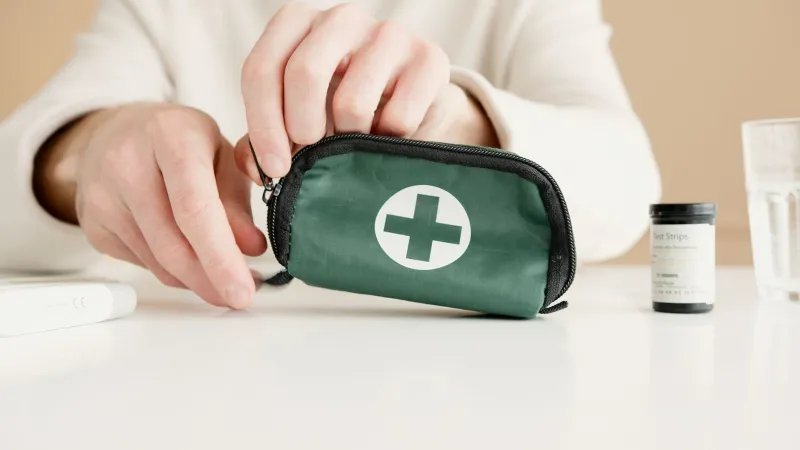
The pocket kit
This is the stuff that lives in your coat and never comes out unless it is needed. Keep it small, keep it sealed and check it before the season starts.
- A small roll of cohesive bandage, often sold as Vetwrap
- Two or three non-adherent dressings for cuts and grazes
- A few saline pods for flushing eyes and wounds
- A tick remover, ideally the little plastic hook style
- Fine tweezers for splinters and thorns
- A small tube of antiseptic wound gel
- A few pairs of disposable gloves
- A spare slip lead
- Poo bags, which are useful for far more than their advertised purpose
- A small torch for late pick-ups and early mornings
You do not need a full surgical set. You need enough to clean, cover and protect until you can get the dog somewhere sensible.
The truck box
This is the larger kit that stays in the vehicle. It can be a plastic toolbox, a small holdall or a dedicated bag. The point is that it is always there and everyone knows where it is.
- A larger roll of cohesive bandage and a conforming bandage
- More dressings, including a couple of larger ones for body wounds
- A 500ml bottle of saline for flushing
- Surgical tape
- Blunt-ended scissors
- A digital thermometer
- A foil emergency blanket
- A muzzle, even if your dog has never needed one
- A towel and a spare dog coat
- A bottle of water and a folding bowl
- A printed card with your vet’s details, your out-of-hours vet, your insurance policy number and your dog’s microchip number
That last item is easy to forget and very useful when you are flustered. Write it out, laminate it or put it in a plastic wallet.
Shoot-day protocols
Knowing what to do matters as much as knowing what to carry. These are simple, sensible first steps for the problems you are most likely to meet on a shoot day.
Small cuts and grazes
Flush the wound with saline, apply gentle pressure with a clean dressing and cover it with a non-adherent pad and bandage. If the cut is superficial and the dog is comfortable, you can keep an eye on it. If it is deep, gaping, bleeding steadily or in a awkward place such as a pad or ear, call the vet.
Torn pads
Pads tear easily on flint, ice and frozen ruts. Clean the area, bandage it and rest the dog. If the dog cannot weight-bear, if the pad is hanging or if there is a lot of blood, it is a vet job. Do not be tempted to push on for the last drive.
Thorns and stick injuries
If a thorn is visible and shallow, you can remove it with tweezers and clean the area. If it is deep, leave it alone and get the dog to the vet. Stick injuries are particularly serious. A dog that has run onto a stick and has a wound to the chest, throat or underside should be seen immediately, even if it looks small on the surface.
Eye injuries
Eyes are not a wait-and-see problem. If the dog is squinting, pawing at its face or has a red or cloudy eye, flush gently with saline and call the vet. Do not rub the eye and do not use old eye drops from the cupboard.
Ticks
Remove ticks with a proper tick remover, twisting steadily rather than pulling. Clean the area afterwards and make a note of the date. If the dog becomes lame, lethargic or unwell in the following weeks, tell your vet about the tick.
Limping and swelling
Stop the dog, check the leg and foot for cuts, thorns or foreign bodies. If there is swelling, heat or the dog will not put weight on the leg, abandon the day. A cold compress can help with minor knocks, but a dog that is genuinely lame needs rest and probably a vet.
Collapse, breathing trouble or severe bleeding
These are emergency situations. Apply pressure to bleeding, keep the dog warm and get to the vet immediately. Do not wait for the end of the drive. Do not try to finish the day first. Call ahead so the practice knows you are coming.
When to abandon the day
The hardest part of first aid is often admitting that the day is over. It is easy to think a dog will shake off a knock, especially when there are birds to be picked and guns waiting. But a working dog will often keep going long after it should stop. That is our job, not theirs.
Abandon the day if the dog is bleeding heavily, cannot weight-bear, has a wound that needs stitching, has an eye injury, is breathing strangely, has collapsed or is showing signs of shock. Abandon it if you are in any doubt at all. A missed drive is a small price to pay for a dog that recovers properly.
Tell the shoot captain or your picker-up contact. Someone will cover your peg or your beat. Good shoots understand this. The ones that do not are not worth your time.
Restock and practise
Check your kit at the start of each season. Replace anything that has been used, gone out of date or been damaged by damp. Practice bandaging a leg at home when the dog is calm, so that your hands know what to do when the dog is not.
It is also worth training your dog to accept a muzzle before you ever need one. A dog in pain can behave out of character, and a muzzle keeps everyone safe, including the vet.
The kit is not the cure
A good first-aid kit is a sensible piece of kit, not a replacement for professional care. It helps you do the right thing in the first few minutes and it helps you make a clear decision about when to stop. That is all it needs to do. The rest is down to the vet, the dog and a bit of common sense.