Whose Dog Is It Anyway? Taking a Borrowed Gundog Through a Driven Day

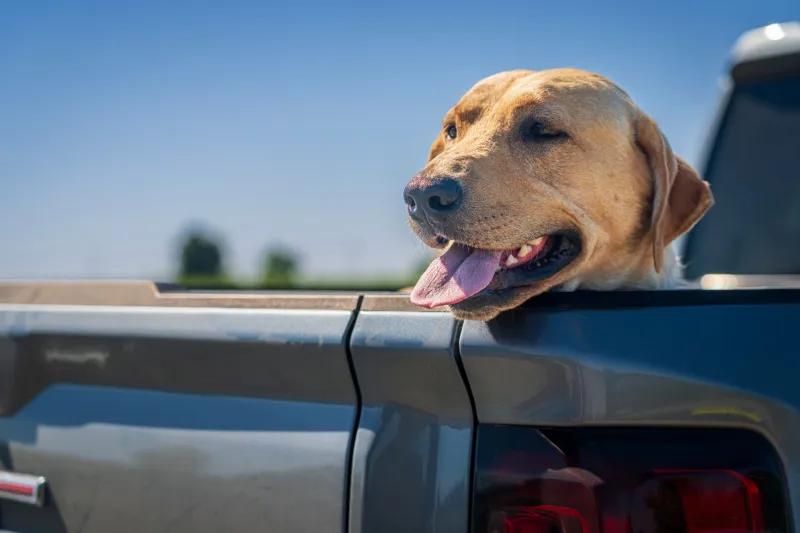
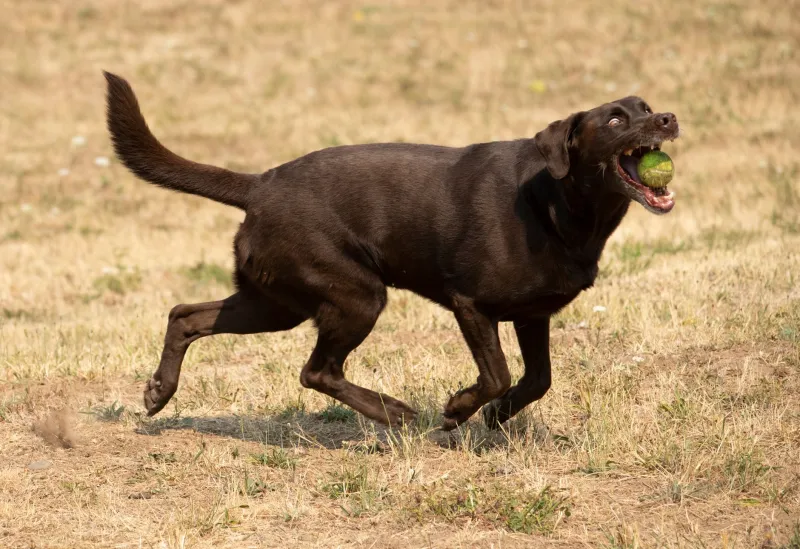
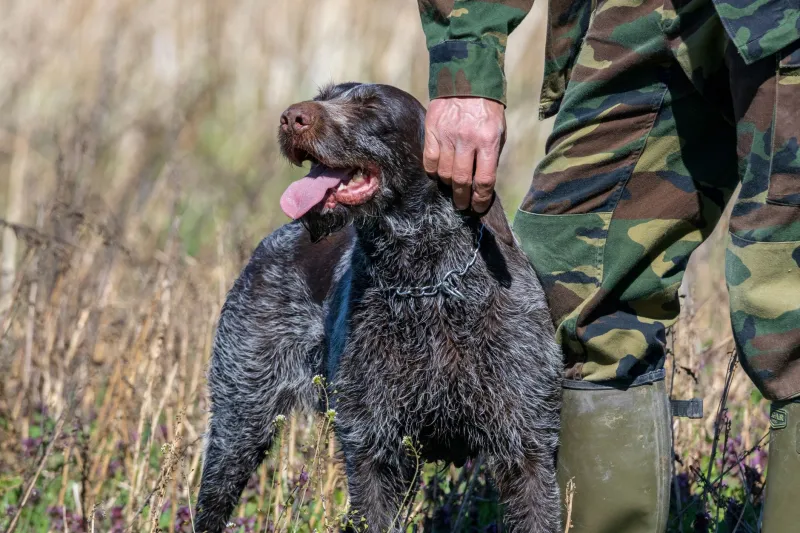
Photo: gundog handler with labrador at driven pheasant shoot Cotswolds autumn, via images.pexels.com
The call usually comes late in the week. A mate's lab is steady as a rock, he's stuck at work, and would you mind taking her out for the second drive on Saturday? It sounds like a simple favour between friends. In practice, a borrowed gundog arrives carrying someone else's months of work, someone else's habits, and a set of expectations that are rarely written down. Your job is not to improve the dog. It is to bring it home no worse than it left.
First, work out whether the dog is actually ready
A dog can be beautifully trained for its owner and still be a poor candidate for a borrowed day. Ask the owner to show you the commands in the yard before you ever commit. Does the dog stop to the whistle? Recall cleanly? Heel without a fight? Pick a dummy and deliver it to hand? More importantly, how does it react when a stranger gives those cues? If the owner hesitates, or the dog keeps checking back for its person, treat that as useful information. A driven day is not the place to discover that a dog only works for one voice.
Gunfire is the other obvious test. If the dog has never been alongside live guns, or has had a bad experience, a busy Cotswold shoot is not the moment to find out. Better to decline politely than to spend the afternoon managing a dog that is over-faced.
Agree the small print before the day
Most awkwardness around borrowed dogs comes from assumptions. Before Saturday, have a proper conversation with the owner. Which whistle commands does the dog know? Does it work on voice, hand signal, or both? What does the owner want you to do if the dog runs in? How many retrieves is sensible? Is the dog allowed off the lead between drives, or does it stay on a slip? Does it have any quirks around other dogs, livestock, or pickers-up?
Sort out the practical bits too: food, water, crate, any medication, and an emergency vet contact. If the bitch is in season, that changes the plan entirely. Confirm with the shoot captain that a substitute handler is acceptable. And check the insurance position rather than assuming. The owner's policy may cover the dog, but third-party liability for a handler is a separate question. A quick text or email confirming the arrangement is not bureaucracy; it is the difference between a favour and a muddle.
Learn the language the dog already speaks
On the day, resist the urge to introduce your own whistle or your own version of a stop. A borrowed dog does not need a new teacher. It needs consistency. Use the owner's cues, in the owner's order, at the owner's pace. If the dog stops to two pips, do not experiment with one. If recall is verbal, do not suddenly rely on a whistle it has never been taught.
Run through a few easy exercises before the first drive. A short recall, a steady walk to heel, a simple dummy retrieve if the ground allows. Keep it light and finish on a good note. If the dog does not respond, do not repeat the command louder and louder. Stop, reset, and make it easier. Confusion is not disobedience, and a borrowed dog is already working harder than usual to read a new handler.
Peg-side manners and handler etiquette
At the peg, the basics matter more than anything clever. Keep the dog steady and quiet. Do not let it creep forward as birds come over. Keep the lead on between drives unless the owner has specifically said otherwise. Do not let neighbouring Guns fuss or pet the dog mid-drive, however well meaning. A dog that is being made a fuss of is not watching the sky.
Pick your retrieves. A borrowed dog does not need to sweep every bird in the county. If a picker-up is already working the area, stay out of the way. If the dog runs in, follow the plan you agreed with the owner: no shouting, no chasing, no harsh correction. Put the lead on, reset, and carry on calmly. A borrowed dog should not be on the receiving end of someone else's frustration.
Welfare boundaries are not optional
Watch the dog as closely as you watch the birds. Is it breathing hard? Limping? Shivering? Has its tail gone quiet? Cold, wet weather is part and parcel of a UK shooting season, but a borrowed dog has no obligation to tough it out for your sake. Dry it off, check its feet, offer water, and give it a proper rest in the crate. If it looks stressed or sore, stop. Tell the owner and tell the shoot captain. Missing a drive is always better than sending a dog home injured or exhausted.
If it goes wrong, be honest
Have the owner's number in your phone and the vet's number in the truck. If the dog chases sheep, runs in, has a scrap with another dog, or simply has a rotten day, say so. Hiding it helps nobody, and the owner needs to know what happened while it is still fresh. If the dog goes missing, stop and tell the shoot captain immediately rather than walking the field whistling into the wind.
The hand-back
Return the dog clean, dry, watered, and calm. Give the owner a straight account of the day: how many retrieves, what went well, what did not. Do not offer a lecture on training. Do not suggest that the dog would be sharper with your methods. Say thank you, mean it, and leave it there.
A borrowed gundog is a loan of trust as much as a loan of dog. Handle it carefully and you will be asked again. More importantly, the dog will come home with its training intact and its confidence where its owner left it.