Plan B on the Tailgate: Giving a Gundog a Job When the Shoot Is Cancelled
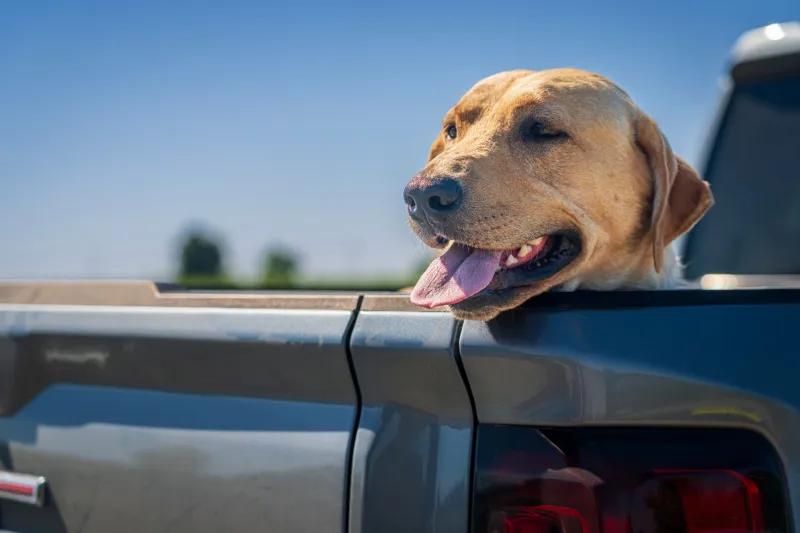
There is a particular sort of silence that settles over a shoot meet when the text comes through: frost on the lanes, floodwater across the bottom track, or a keeper deciding the drive simply will not stand up to the weather. The guns drift back to their motors. The beaters peel off. And the gundog, who has been reading the tailgate and the boots and the whistle for the last hour, is left wondering why the day has stopped before it started.
Most of us put the dog back in the crate and call it a write-off. Fair enough. A cancelled day is still a working day for the person who has to rearrange the diary. But if you have a young dog coming on, or an older one who has just hit his stride in the 2026 season, an hour of sensible work on the way home can be worth more than a rushed session later in the week. The trick is to keep it small. A cancelled shoot is not an invitation to run a full training day in a frozen field.
Read the day before you read the dog
First job is honesty about conditions. A hard frost is fine for short steadiness work, but iron ground and a cold wind are no place for long sits or wet retrieves. Floodwater is a different matter again: cold, fast and often hiding holes and wire. If the lane is under water, the day is already telling you something. Keep the dog out of it unless you know the ground and the water is shallow, still and safe.
Second job is honesty about the dog. A worked gundog that has been out three times in a fortnight does not need a lesson. He needs a warm kennel, a clean bed and a bit of routine. A puppy or a dog that has been sitting on the bench for a month can do with a little more. The plan below is a pick-and-mix, not a syllabus. Ten good minutes beats forty muddy ones.
The ten-minute steadiness reset
Start on the tailgate or in the lee of the truck, out of the wind. Lead on, dog sitting, and simply stand there. Not for an hour. For two or three minutes while you sort your kit. Then ask for a quiet sit while you walk a few paces away, return, reward, release. Repeat once or twice. That is it.
The point is not to prove anything. It is to remind the dog that the day still has shape. If he breaks, put him back without drama and shorten the distance. If he holds, do not push your luck by adding a dummy and a distraction and a lap of the field. Finish while he is still steady. A cancelled day is a poor time to discover the limits of your recall in a gale.
Cold-weather handling, not cold-weather heroics
Short, sharp handling drills work well in winter because they keep the dog thinking rather than running. Use a lane or a mown strip and practise stop whistle, turn whistle and a hand signal or two at close range. Keep the dog warm between efforts. If you are using dummies, mark them clearly and keep retrieves short. Cold water and cold ground take more out of a dog than handlers sometimes allow.
This is also a good moment to work on the unglamorous stuff: walking to heel past the truck, waiting while you open a gate, sitting while another dog is sent. A cancelled shoot gives you the one thing a busy shoot day never does — time to be boring. Boring is useful. Boring is what makes the exciting days safe.
A few genuine jobs around the shoot
If you are on good terms with the keeper — and you should be — ask whether there is a useful job that will not interfere with the ground. Stacking feed sacks, moving a few hurdles, checking a pen, clearing a track: all of it gives the dog exposure to farmyard smells, vehicles, voices and stock without asking him to work birds. Keep him on a lead unless you are certain of the ground and the livestock. Let him watch. Let him settle. Let him learn that not every outing ends with a retrieve.
For a dog that gets wound up at the meet, this sort of low-key hanging about is better than another drive. He learns that the tailgate is a place to switch off, not a launchpad. That lesson will pay you back on the next real shooting day, when the horn goes and he has to wait his turn.
Kennel routine and the quiet finish
When you get home, resist the urge to cram in a second session. Towel him off if he is wet, check paws for grit and ice, and give him a proper settle. A cancelled day is a good opportunity to reset the kennel routine: fresh bedding, clean water, a chew, and a bit of quiet. If he has been out a lot, a day of rest is not a wasted day. It is part of the training.
Use the afternoon for the admin you never get to: check the first-aid kit, clean the whistle, wash the dummy bags, write a note of what you want to work on next. Then leave the dog alone. The best handlers I know are ruthless about not over-training a dog simply because the diary has opened up.
When to call it
If the weather is filthy, the dog is tired, or you are already thinking about the drive home, stop before you start. A cancelled shoot is not a debt you owe the dog. It is just a day that did not go to plan. The dogs that last are the ones whose handlers know when to put the kettle on and when to put the lead back on the hook. Do a little, finish warm, and save the real work for a day when the ground and the dog are both ready for it.