From Tailgate to Crate: Settling a Worked-Up Gundog After the Last Drive

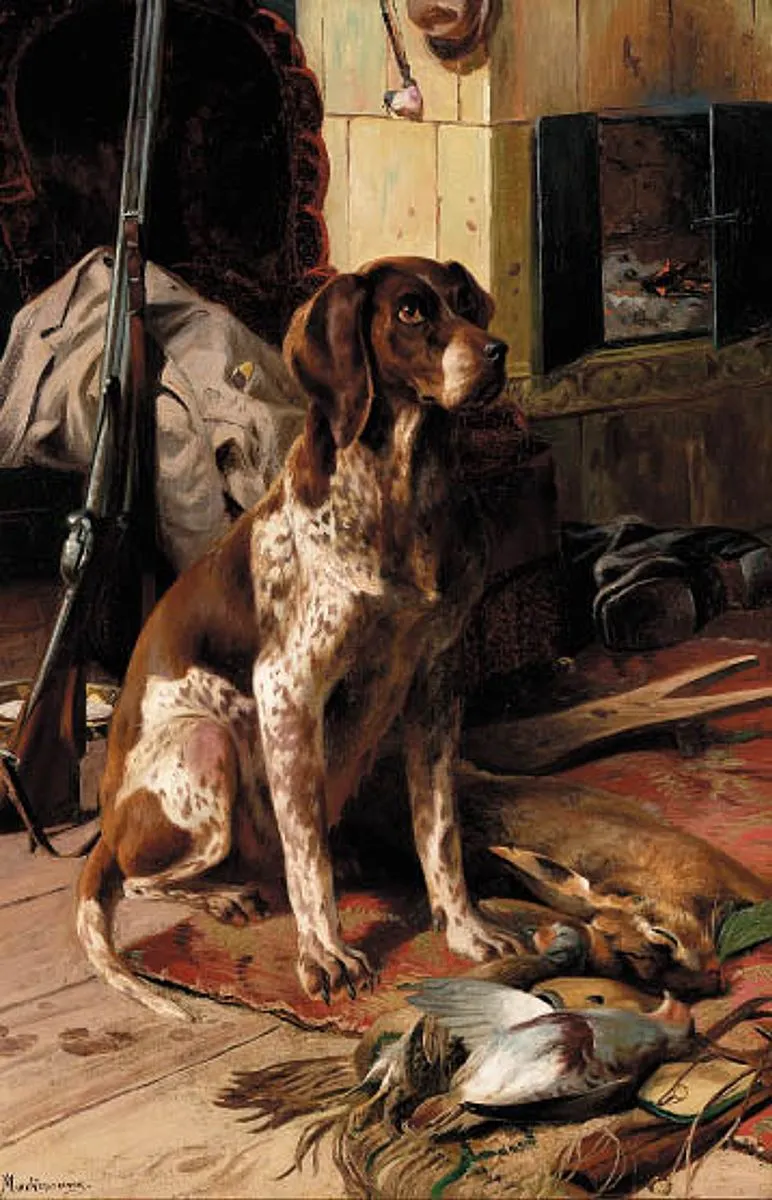
Photo: gundog resting beside pickup truck tailgate countryside, via s.yimg.com
The last drive ends, the guns are cased, and the dog is still running the day through its nose and ears. You are tired, the light is going, and the temptation is to bundle everyone into the truck and get warm. That is exactly the moment when a little discipline pays off. Not discipline in the obedience sense, but in the quiet, practical sense: a routine that gets a worked-up gundog from field to kennel without adding another layer of excitement.
On a Cotswold shoot, the journey home might be ten minutes down a lane or an hour back across the escarpment. Either way, the dog does not know the difference between a training field and a tailgate. It only knows that the day has been enormous and that you are still there, still talking, still making decisions. The aim is to let the day come down gently.
Start with the engine off, not the dog out
Find a spot away from moving vehicles and the worst of the mud. Leave the dog on a lead while you sort your kit. Two or three minutes of standing quietly beside the truck is worth more than a rushed attempt to load up while the dog is still spinning. If the weather is foul, use the lee side of the vehicle. If it is mild, let the dog stand and look around without being asked to do anything.
This is not the moment for a recall refresher or a bit of heelwork. The dog has done its job. Your job now is to be boring.
Habit one: a quiet toilet stop
Give the dog a lead-only chance to empty out. Sniffing is fine. Free running is not. A dog that has been steady for hours can suddenly find a second wind when it smells the hedge by the car park, and the last thing you need is a lap of the field before the drive home.
Keep it short, keep it calm, and keep the lead on. If the dog does nothing, that is fine. It can go again at home.
Habit two: water in small offers
Hydration matters, but gulping a whole flask after a hard day is not helpful. Offer small amounts from a collapsible bowl, then put it away. Let the dog drink again after it has settled in the crate. If the day has been warm, wet the coat and the pads rather than soaking the dog through. If it has been cold and wet, towel off the worst of the mud first so the dog is not sitting in a sodden coat.
On driven days, dogs often drink less than we think because they are busy. A few quiet sips at the tailgate can top them up without setting off a bout of gulping and retching.
Habit three: the hands-on once-over
Run your hands over the dog before it goes in the crate. Check the ears, the eyes, the neck, the armpits, the groin, the tail, and especially the pads. Cotswold stubble, bramble, and flinty gateways are good at leaving small souvenirs. Look between the toes and up the legs for thorns or small cuts. Feel for heat or swelling. A dog that is lame on the way home is not just tired; it is telling you something.
This is also the moment to check for ticks and to look at the eyes for seeds or grit. Do not turn it into a wrestling match. A quick, practiced once-over is enough. If you find something you cannot deal with, ring the vet before you drive off, not after you have unpacked.
Habit four: clean and dry the working bits
A towel in the truck is not a luxury. Dry the ears, the chest, and the belly if the dog has been through wet cover. Check the tail and the feathering for burrs. In cold weather, a wet dog in a cold crate is a miserable dog. In warm weather, do not leave a wet dog in a hot vehicle while you have a cup of tea.
Keep the cleaning practical. You are not preparing a show dog. You are making sure the dog is comfortable enough to settle.
Habit five: crate before conversation
Put the dog in the crate before you start chatting to the rest of the shoot. A familiar crate with familiar bedding does more for a worked-up gundog than a lot of well-meant fussing. If the dog whines, do not answer it with chatter. Let it settle. If it is panting heavily and cannot calm down, take it out, cool it down properly, and try again.
A crate cover can help, but only if the dog is already used to it. Do not introduce a new piece of kit on the way home from a shoot.
Habit six: no school on the way home
The drive back is not a training opportunity. No whistle drills, no steadiness practice, no letting the dog out at the services for a quick refresher. The dog has had a big day. The next lesson can wait. If you want to work on something, write it down and do it on a short, quiet session later in the week.
This is harder than it sounds, especially for handlers who are used to making every moment count. But the dog needs a full stop, not a comma.
Habit seven: log the day
Before you forget, note the useful things. How much the dog drank. Whether it ate. Any knocks, cuts, or lameness. Whether it was settled at the peg or wound up. This takes thirty seconds and gives you a pattern to look back on. It is especially helpful with young dogs, where a small change in behaviour can be the first sign that the work is taking more out of them than you realised.
The tailgate test
Before you pull away, look at the dog. Is it standing square? Is the breathing settling? Are the gums pink and the eyes bright? Is it interested in you, or is it dull and withdrawn? A dog that is still trembling, panting hard, or unwilling to stand up is not ready for a long drive. Deal with it now.
The journey home should not be a second training session. It should be the quiet bridge between the field and the kennel. Get that right, and the dog finishes the day as sound in mind as it started.